Exterior Cleaning Albury | Pressure Washing Albury
- Residential & Commercial Cleaning Specialists
- 5-Star Rated Service & Customer Care
- Eco-Friendly Cleaning Solutions
- Expert Team Covering Albury
Get a FREE Quote
Exterior Cleaning Albury
A surprising number of exterior cleaning problems begin with a material being misidentified, and several of the common confusions matter a great deal. Render over insulation and solid render look identical from a few metres away. The first is a few millimetres of finish over insulation board with no rigid substrate behind it; the second is a coating on masonry. They tolerate entirely different treatment, and the giveaways are the depth at the reveals and the hollow note when tapped. Concrete tiles and clay tiles are frequently confused, particularly once both have weathered. Concrete loses a granular surface and becomes porous; clay crazes and becomes brittle at the nibs. Their ageing patterns differ and so does what should be expected from cleaning. Fibre cement and asbestos cement sheeting look much the same on an outbuilding roof, and the difference is legally and practically enormous. Pattern-imprinted concrete and natural stone are confused constantly, and the first has its colour in a surface skin that comes off in seconds. Resin-bound and resin-bonded surfaces are different constructions with different vulnerabilities. Efflorescence and limescale look alike and are not the same deposit. And cast iron guttering painted black is regularly taken for uPVC until somebody tries to lift a section. The reason identification comes before anything else is that the consequences run one way. A material treated more gently than it needed has simply taken longer to clean; a material treated more aggressively than it could tolerate has been permanently damaged, and no amount of subsequent care reverses it. Where there is any doubt at all, the correct approach is the gentler one and a test area to establish whether more is warranted. None of these confusions is unusual and every one of them is avoidable at survey. Stewart Exterior Cleaning identifies before quoting rather than afterwards. Households in Albury searching exterior cleaning near me should expect materials named in writing.
Pressure Washing Albury
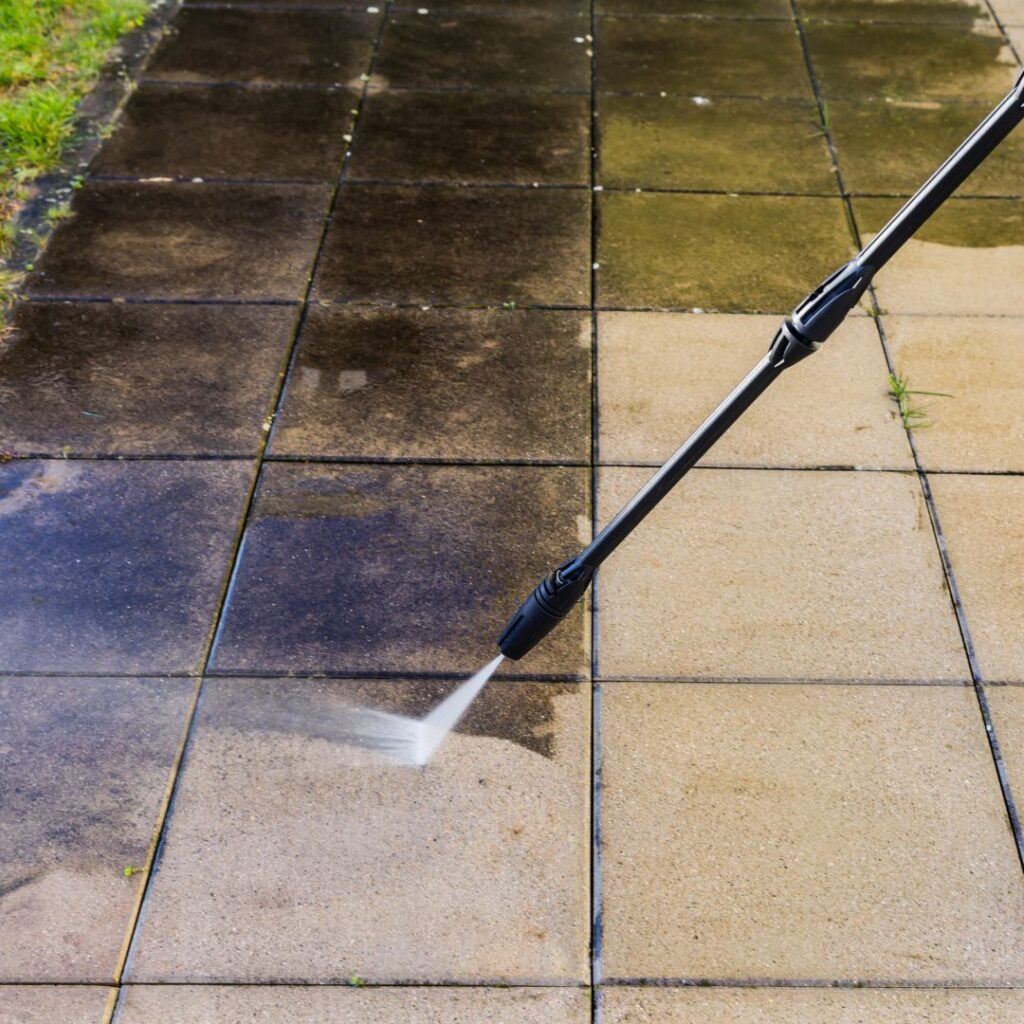
Misidentifying a hard surface is the most common cause of avoidable damage, and a few of the confusions are worth knowing. Pattern-imprinted concrete and natural stone flags are much the pair most often mixed up, particularly from a standing position. The first is a poured slab with a pattern stamped into a surface layer holding all of the colour, and pressure removes that layer in seconds. Real stone is dense throughout. Looking at the edges settles it, since imprinted concrete has no joints running through the depth. Resin-bound and resin-bonded surfaces make up the second pair to watch for. Bound means aggregate mixed through the resin and laid as a permeable mat; bonded means loose stone scattered onto a resin layer. The second sheds aggregate under any pressure at all. Concrete blocks and clay pavers are the third pair, and clay is a good deal denser, does not fade at all and tolerates rather more. Sandstone and limestone make up the fourth pair, and both are a good deal softer than they look, with sandstone in particular pitting along its bedding planes. Tarmac and asphalt surfaces make up the fifth pair, and neither of them cleans usefully at all. A test area in an inconspicuous spot settles all of it in ten minutes. The other reason to establish it early is that the material determines whether the job is worth doing at all in the way an owner imagines. A weathered surface that has lost its fine top layer will clean to a clean weathered surface, and knowing that before the work rather than afterwards is the difference between a fair result and a disappointment. A single wrong assumption here is permanent rather than merely inconvenient. Anyone in Albury booking pressure washing near me should have the material established rather than assumed.
Are you based in Albury or the Surrounding Areas?
Patio & Driveway Cleaning Albury
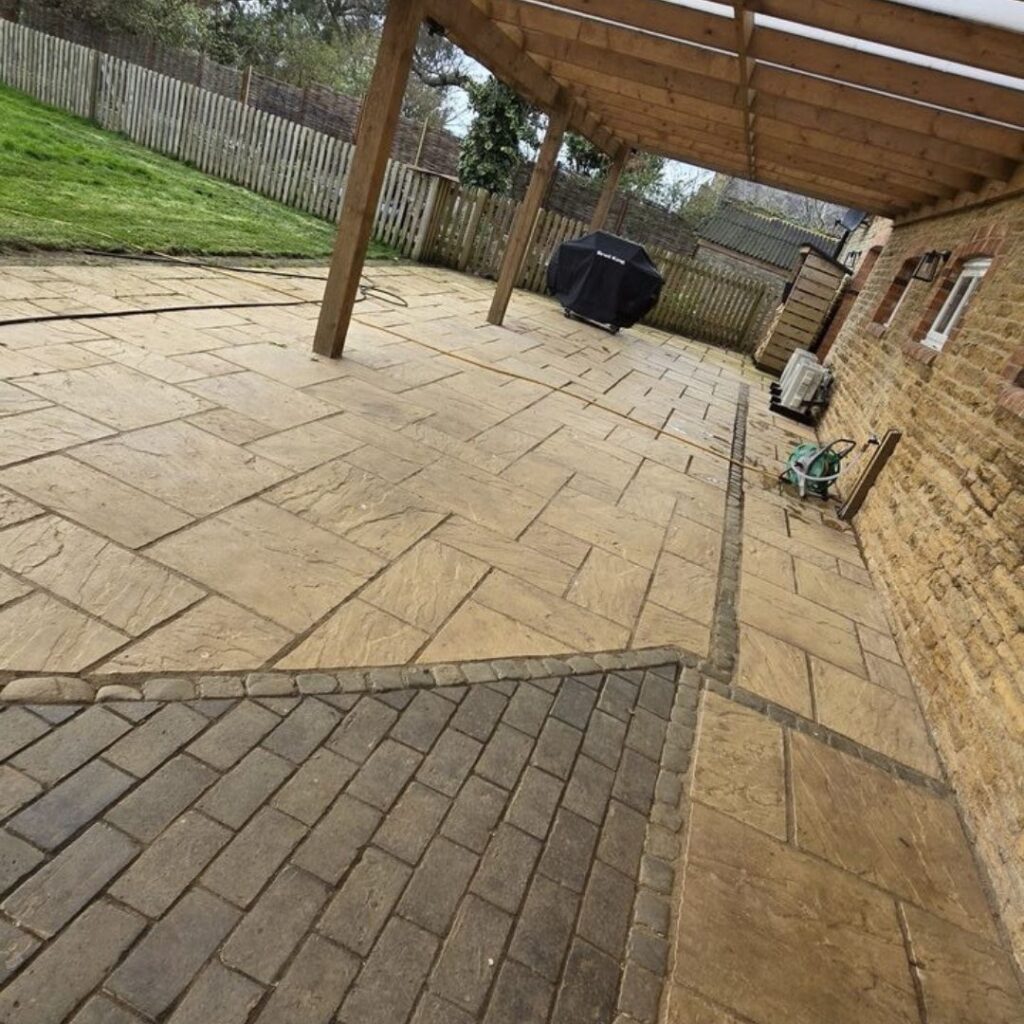
Driveway materials are misread rather more often than anything else on a property, and the consequences of doing so are permanent. Look closely at the edge of a single unit. A concrete block is coloured through only its top few millimetres and is grey beneath; a clay paver is the same colour throughout; a natural stone flag is dense right through to its full depth; and pattern-imprinted concrete has no separate units at all, but only a stamped pattern set into a single poured slab. Look next at the joints between the units. Blocks and pavers have sand joints running the full depth. Flags have mortar pointing. Imprinted concrete has imitation joints that stop at the surface. Resin surfaces have none. Look finally at the pattern of the wear. Concrete blocks fade in traffic lanes; clay does not fade at all; stone develops a patina; imprinted concrete loses its colour skin in patches and shows grey beneath. Every one of those needs a different pressure and a different approach entirely, and the difference between clay and imprinted concrete is the difference between a routine clean and a permanently ruined surface. Sealed surfaces add a further layer to all of this, since a failing film needs stripping off entirely rather than cleaning. The practical test costs nothing. Clean a small inconspicuous area at the intended settings, let it dry properly and look at it, and the surface will say plainly whether the approach is right. Ten minutes spent on that is the cheapest insurance available on any driveway. The three checks together take a couple of minutes and settle it. A test area confirms in ten minutes what the eye may have got wrong. Homeowners in Albury booking driveway cleaning near me should have the surface named before any settings are chosen.
Roof Cleaning Albury
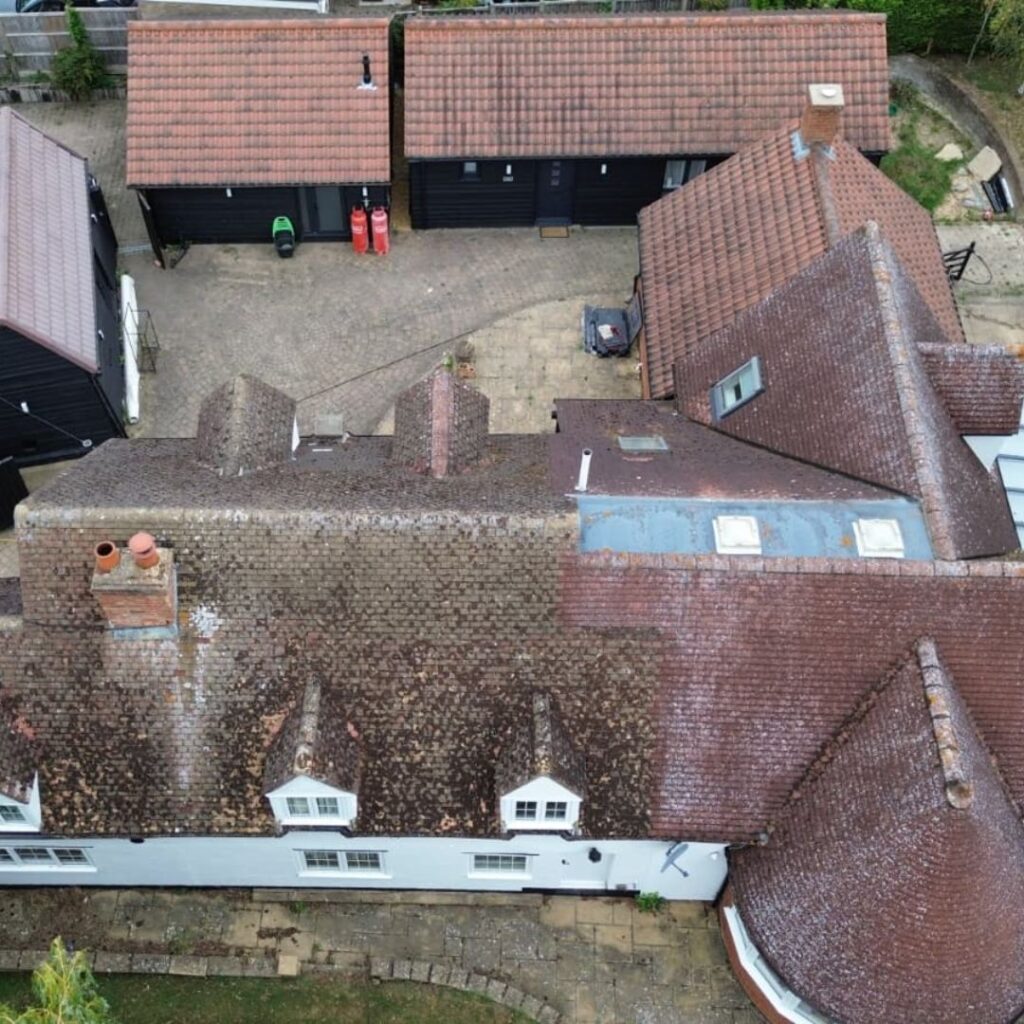
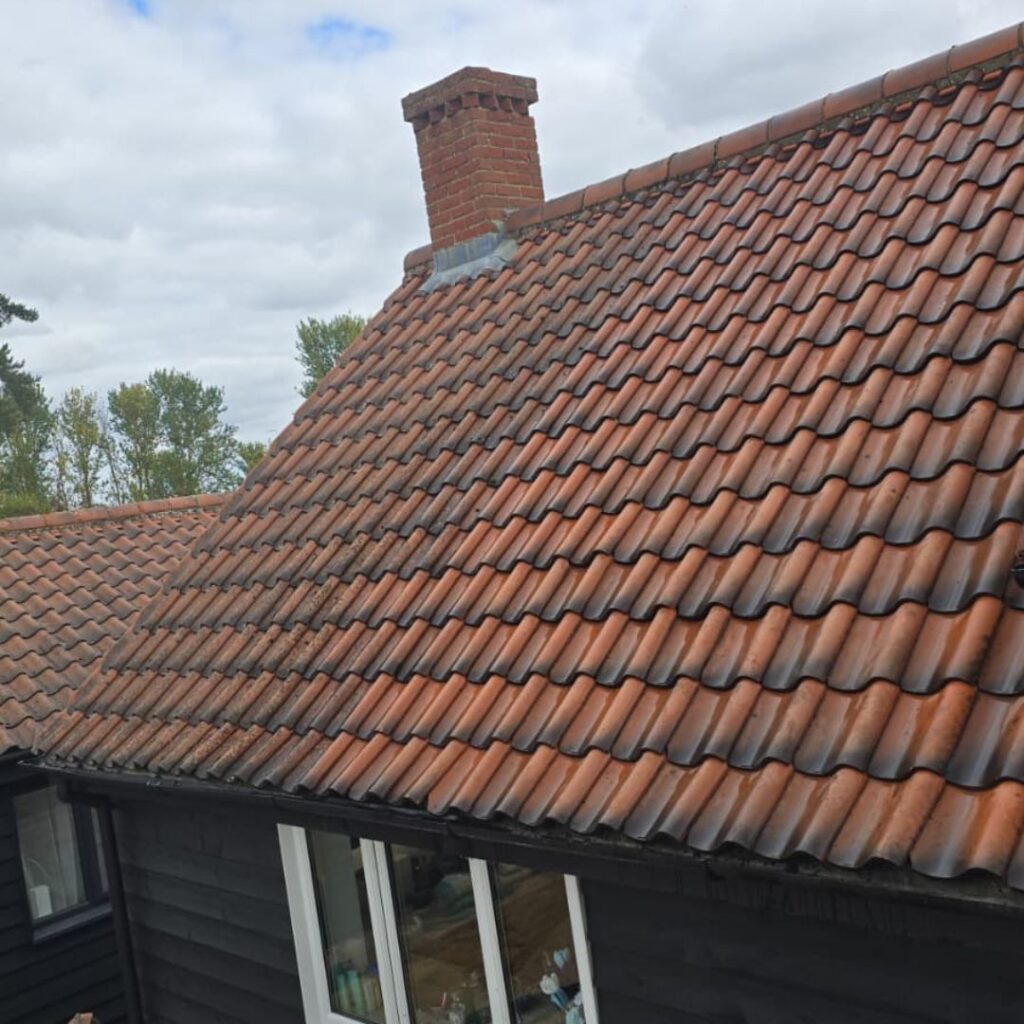
Roof coverings are misidentified with some regularity, and on outbuildings in particular the consequences of that can be serious. Asbestos cement and modern fibre cement sheeting are much the pair that matters most. Both of them appear as corrugated or profiled sheets on garages, workshops and agricultural buildings, both weather down to a similar grey, and the difference is that one of them requires a licensed contractor and must not be cut, scraped, drilled or pressure washed under any circumstances. Age is the rough guide to it, since asbestos cement was very widely used until the late nineteen nineties, and anything at all uncertain is treated as suspect from the outset. Concrete and clay tiles make up the second pair, and they are frequently confused once both have weathered. Concrete carries a granular surface that erodes away over decades; clay is fired, crazes with age and becomes brittle at the nibs. Natural slate and fibre cement slates make up the third pair, and the second of those is considerably more fragile. Stone slates are the fourth, and they are heavy, effectively irreplaceable in kind and frequently misdescribed simply as slate. Every one of them carries a quite different tolerance for weight, for hand work and for treatment. Where there is any doubt about a sheeted covering, the correct response is to stop, report it and leave it entirely alone pending proper identification. That is not caution for its own sake; it is the only defensible approach where the alternative carries a genuine health risk to everybody on the site. On a roof, an assumption is a considerably more expensive thing to get wrong. Anything uncertain is treated as suspect and left entirely alone. Anyone in Albury searching roof cleaning near me should have any sheeted roof identified before anybody touches it.
Solar Panel Cleaning Albury
Solar installations vary in a few ways that genuinely affect the work, and a couple of the distinctions are worth knowing about. Retrofit and in-roof systems are much the pair that matters here. A retrofit array sits up on rails above the covering with an air gap beneath it, which is where debris accumulates and where nesting occurs. An in-roof system replaces the covering itself within a flashing kit, sits flush with it and has no gap at all. The first of those needs the space beneath it inspected and frequently proofed; the second does not, and disturbing its flashing detail is very much a roofing matter rather than a cleaning one. Monocrystalline and polycrystalline panels make up the second distinction, and they barely affect the cleaning at all, though the all-black monocrystalline modules conceal their soiling far better, which affects how often anybody actually notices it. Solar thermal and photovoltaic panels make up the third distinction, and they are genuinely different systems, one of them heating water and the other generating electricity, requiring an entirely different assessment. Ground-mounted arrays are the fourth, and they soil considerably faster while being a good deal easier to reach. The cleaning method itself is entirely unchanged across all of them. The original paperwork usually settles it in a moment, and in cases where it has been lost between owners a look from the ground generally does the rest, since a retrofit array stands proud of the covering on visible rails while an in-roof system sits flush within a flashing detail. It changes what the inspection needs to cover rather than how the glass is cleaned. The paperwork or a look from the garden will usually settle it. Owners in Albury should establish which of those mounting types they have before booking any inspection.

Our Customers Say Everything there is to know about us
EXCELLENTTrustindex verifies that the original source of the review is Google. Fantastic service through out! Our roof looks brand new! Decided to also get the driveway done after seeing the results of first job and what a difference! All for a reasonable price as well. Definitely highly recommend 5*Posted on GoogleTrustindex verifies that the original source of the review is Google. Brendan of Stewart Exterior Cleaning was superb. He obviously knows a lot about looking after the exterior of a property and when he visited to clean our gutters, he clearly explained what was going on and gave excellent advice for the future. He was also friendly and enthusiastic, and gave us the sense he enjoys his work and taking care of his customers. He also mentioned some of his company's other services such as landscape gardening, which probably explains why he has so much expertise. But as it was winter and just before Christmas when he visited, it wasn't the right time for things for the garden, but we'd like to have him back in the spring, so he's probably got a customer for life now! Thanks so much, Brendan – it's very obvious why your business is thriving and we'll be back in touch in the future!Posted on GoogleTrustindex verifies that the original source of the review is Google. Brendan was very helpful and informative, he was quick and efficient in completing the job while answering any questions I had, I would definitely recommend his servicesPosted on GoogleTrustindex verifies that the original source of the review is Google. Returning customer of Stewart Exterior Cleaning. Brendan did a gutter clear for us recently and came back today to carry out a repair caused by high winds. Very friendly servicePosted on GoogleTrustindex verifies that the original source of the review is Google. Great service, roof looks newPosted on GoogleTrustindex verifies that the original source of the review is Google. Great service, couldn’t be happier with the end result. We initially had Brendan in to pressure wash and re-sand our driveway and after seeing the excellent job he did, we decided to have the roof and gutters cleaned as well. The transformation has completely refreshed our home and added fantastic curb appeal. Reliable, friendly, and great value for the service provided thanks again, Brendan!Posted on GoogleTrustindex verifies that the original source of the review is Google. Excellent job completed by Brendan. Was prompt and went above and beyond - given that there wasn’t a useable tap on sight! Also advised what do do after cleaning with regards to paving slabs. Would highly recommend, very excellent price and top notch service. Thank you BrendanPosted on GoogleTrustindex verifies that the original source of the review is Google. Excellent job done in a most friendly and efficient manner. Would highly recommend Brendan and his company to anybody looking to have their gutters cleared and fascia’s cleaned. Well done Stewart Exterior Cleaning.Posted on GoogleTrustindex verifies that the original source of the review is Google. I spotted Brendan working at neighbours property and asked him for a quote to pressure wash my pathway and patio. We agreed a price and the work was carried out a few days later. Brendon is hardworking, friendly and diligent and I’m very happy with the outcome and overall experience.Posted on GoogleTrustindex verifies that the original source of the review is Google. Fantastic service from Stewart Cleaning Ltd. Great work, tidy and very accommodating. Would definitely recommend and will definitely be using these guys again. Thank you! Noticed my dirty windows and even cleaned them despite it not being part of the booked job! Many many thanks.
Gutter Cleaning Albury
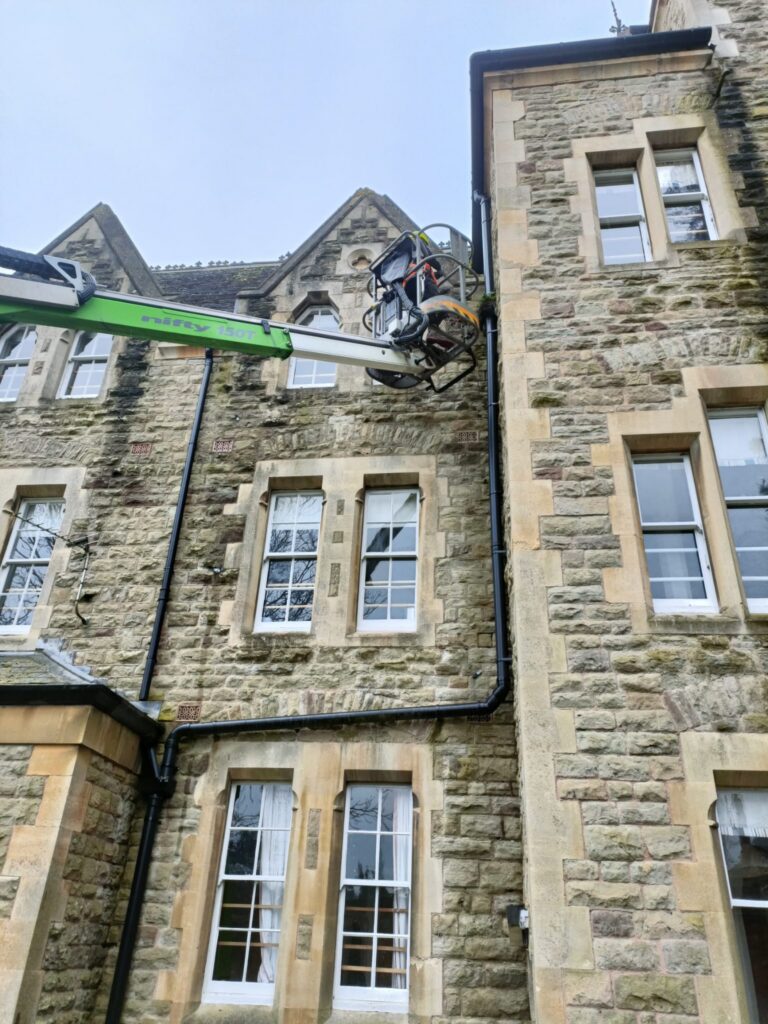
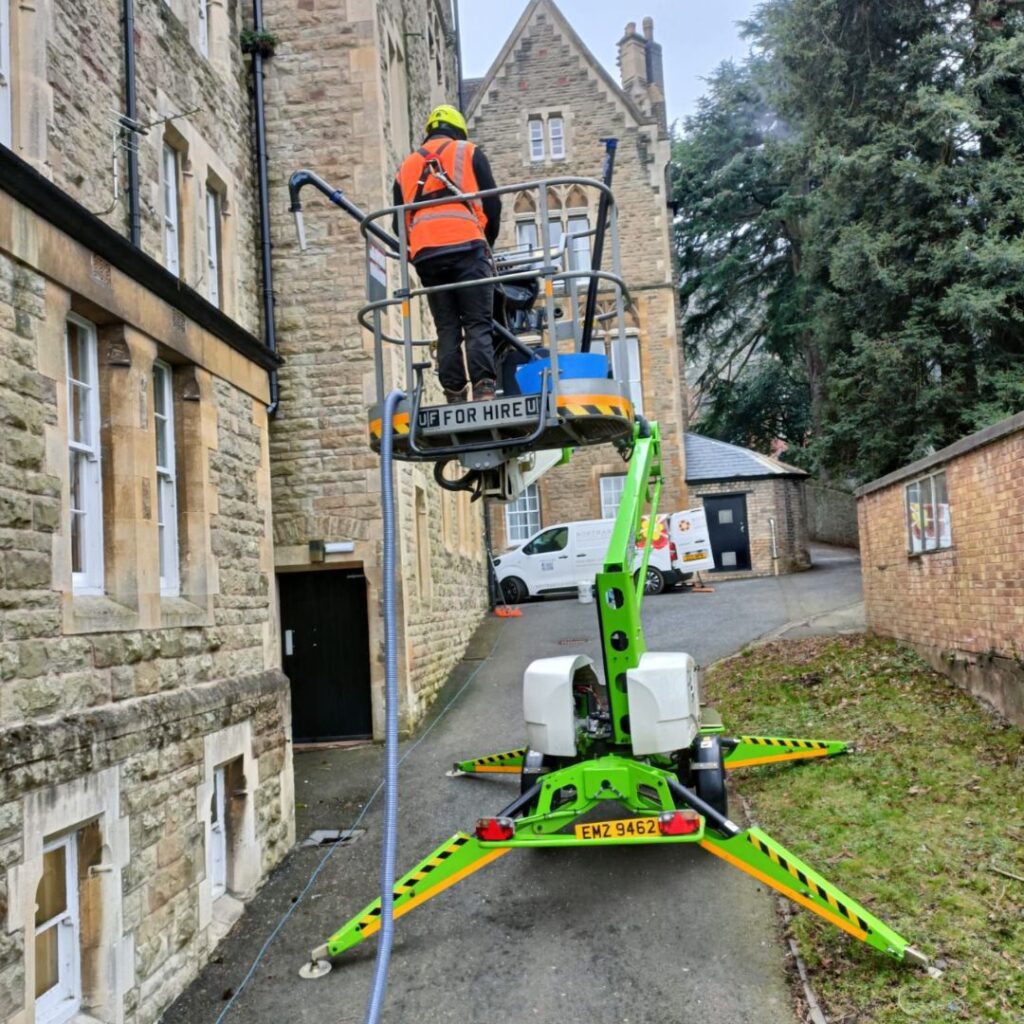
Rainwater goods are misidentified surprisingly often, and one of the confusions involved carries a real risk. Cast iron painted black and black uPVC look remarkably similar from ground level, particularly on a two-storey elevation. The differences between them are weight, sound and joint construction: cast iron is bolted with a sealant at each joint, sounds solid when tapped and is heavy enough to make handling any section a two-person job. Approaching cast iron as though it were merely plastic risks disturbing joints that have been perfectly sound for decades. Asbestos cement guttering appears on a number of mid-century buildings, and it is much the confusion that matters most, since it must not be cut, drilled or worked on except by a licensed contractor. It is a good deal heavier than uPVC, grey right through its section rather than surface-coloured, and anything at all uncertain is treated as suspect and left entirely alone. Aluminium and uPVC make up the third pair, and seamless aluminium has very few joints at all where uPVC has one every few metres. The profile matters too, since a deep ogee section holds considerably more material in its base than a half-round does. And a uPVC cover fitted over an original timber fascia is regularly taken for a solid plastic board. The camera helps here quite as much as anywhere else, since footage from inside a run shows the joint construction and the section of the material plainly, and that is frequently the very point at which a system assumed to be plastic turns out to be something else altogether. One of those confusions is a health matter rather than a technical one. Weight and sound distinguish most of them in a moment. Householders in Albury should have the material properly confirmed before any clearance is booked.

Render Cleaning Albury
Render systems are much the most consequential thing to misidentify on any property, and several of them look remarkably alike. Traditional sand-and-cement and modern thin-coat systems make up the first pair. The older material is thick, hard and applied in successive coats over masonry; the newer is a mere few millimetres of finish laid over a reinforced base coat. They take different dilutions and have entirely different tolerances. Thin coat over masonry and thin coat over external wall insulation make up the second and much the most important pair of them, since the two look entirely identical from any distance. The insulated version reveals itself at the reveals and at the eaves, where the wall is noticeably thicker than the openings suggest, and by the hollow note it returns when tapped. Monocouche and silicone finishes make up the third pair, with the monocouche being through-coloured and open-textured, and the silicone rather smoother and more water-repellent. Painted render is the fourth case of them, where the paint film rather than the render itself takes all of the weathering. And lime render on older buildings is the fifth case and much the most demanding of all, needing gentle treatment throughout and no coatings whatsoever. The identification itself is a five-minute exercise involving nothing but a knuckle and a look at the reveals, and it is the single step that separates a treatment which preserves a wall from one that permanently damages it. A contractor unwilling to carry it out has not properly understood what they are quoting for. No other identification on a property carries quite the same consequences. A knuckle and a look at the reveals answers the whole question. Anyone in Albury comparing render cleaning near me should have the system identified clearly in writing before any price is agreed.