Exterior Cleaning Botley | Pressure Washing Botley
- Residential & Commercial Cleaning Specialists
- 5-Star Rated Service & Customer Care
- Eco-Friendly Cleaning Solutions
- Expert Team Covering Botley
Get a FREE Quote
Exterior Cleaning Botley
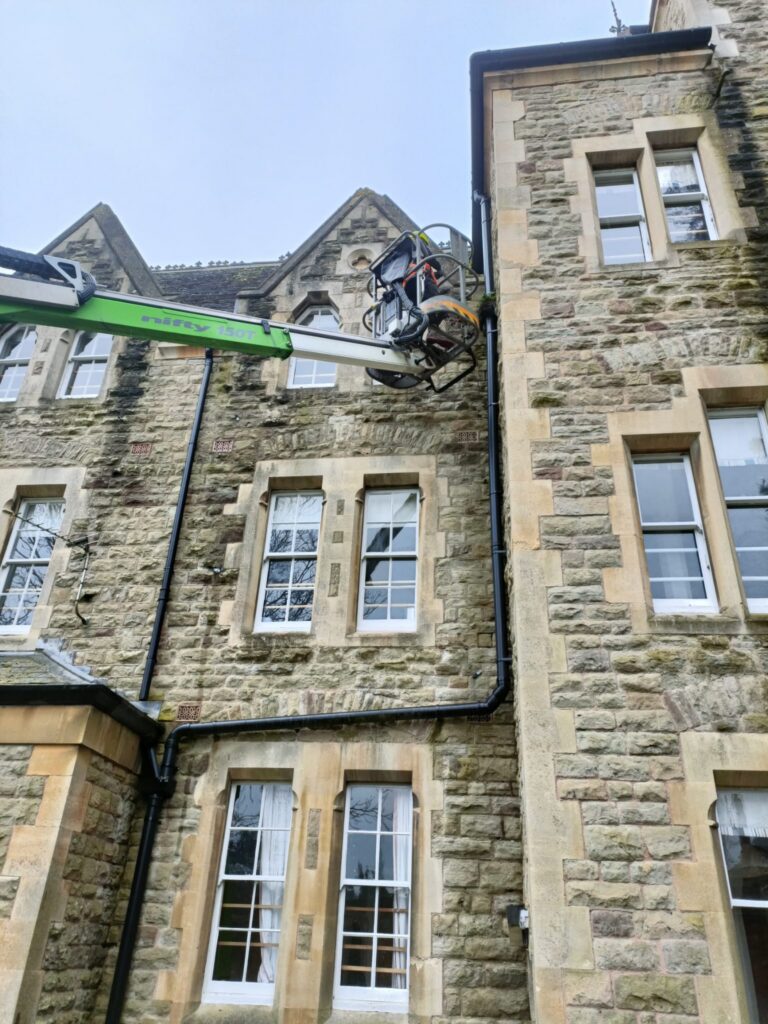
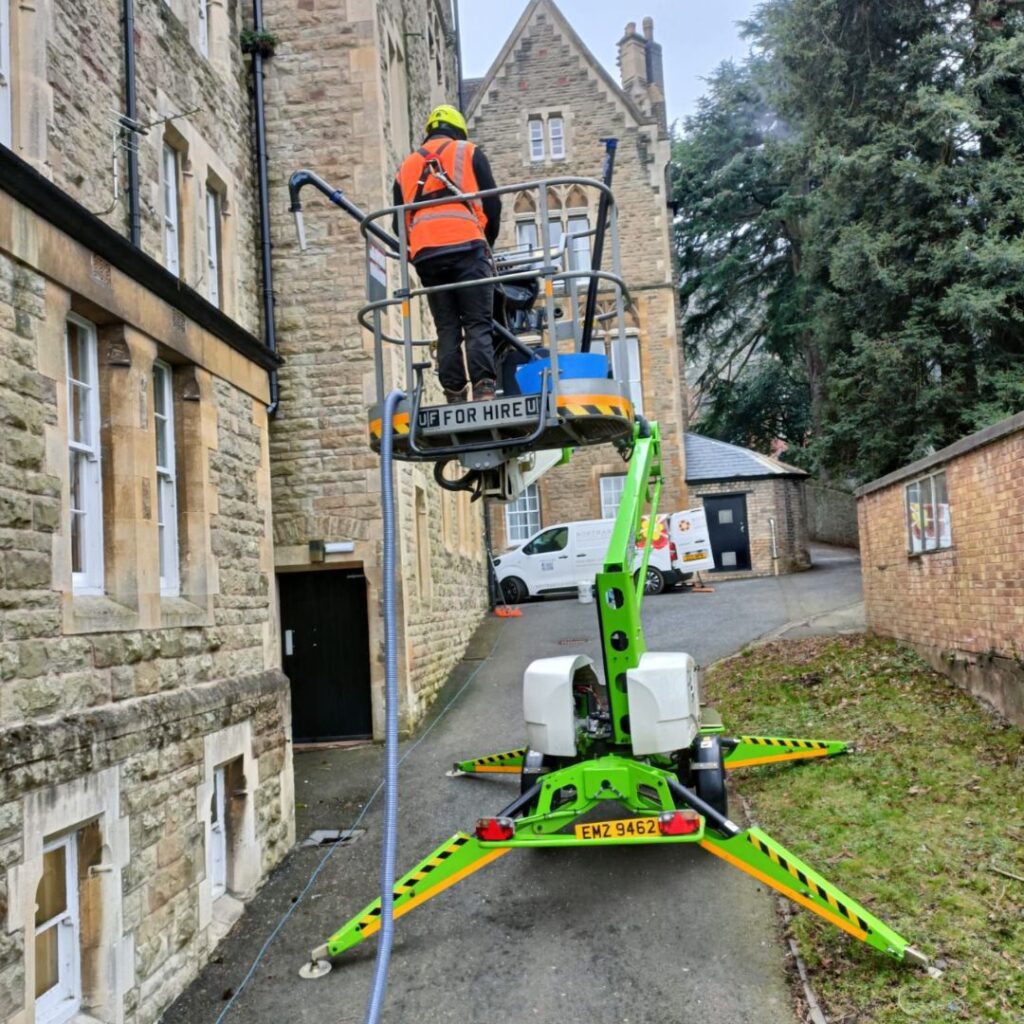
The relationship between how often exterior cleaning is done and what it costs over time is not intuitive, and working it through changes how most people would schedule it. The instinct is that cleaning less often costs less. Over a single year that is true and over a decade it usually is not, because the work required rises faster than the interval lengthens. A surface treated every two years needs a light visit each time; the same surface left for eight needs hand removal, stronger chemistry, longer dwell, waste removal and frequently a second attendance, which is considerably more than four times the work of the short-interval visit. The second factor is damage. Growth left in place holds moisture against materials, and the repairs that follow are not proportionate to anything. A fascia run replaced, an elevation re-rendered or a driveway relaid all cost multiples of the maintenance that would have prevented them. The third factor is the baseline. Each reactive visit starts from a worse position than the last, since jointing sand is never reinstated, spores are never destroyed and drainage faults are never corrected, so the interval shortens as the years pass rather than holding steady. The fourth is that short intervals allow gentler methods, which preserve the material and extend its life. None of this argues for cleaning everything constantly, which would be its own waste. It argues for intervals set from the actual position of each element rather than from habit or from whenever something has become annoying enough to prompt a call, since the second approach reliably produces the highest total cost across any period long enough to matter. Stewart Exterior Cleaning quotes against the ten-year figure rather than against the single visit. Households in Botley searching exterior cleaning near me should compare cost per year rather than cost per job.
Pressure Washing Botley
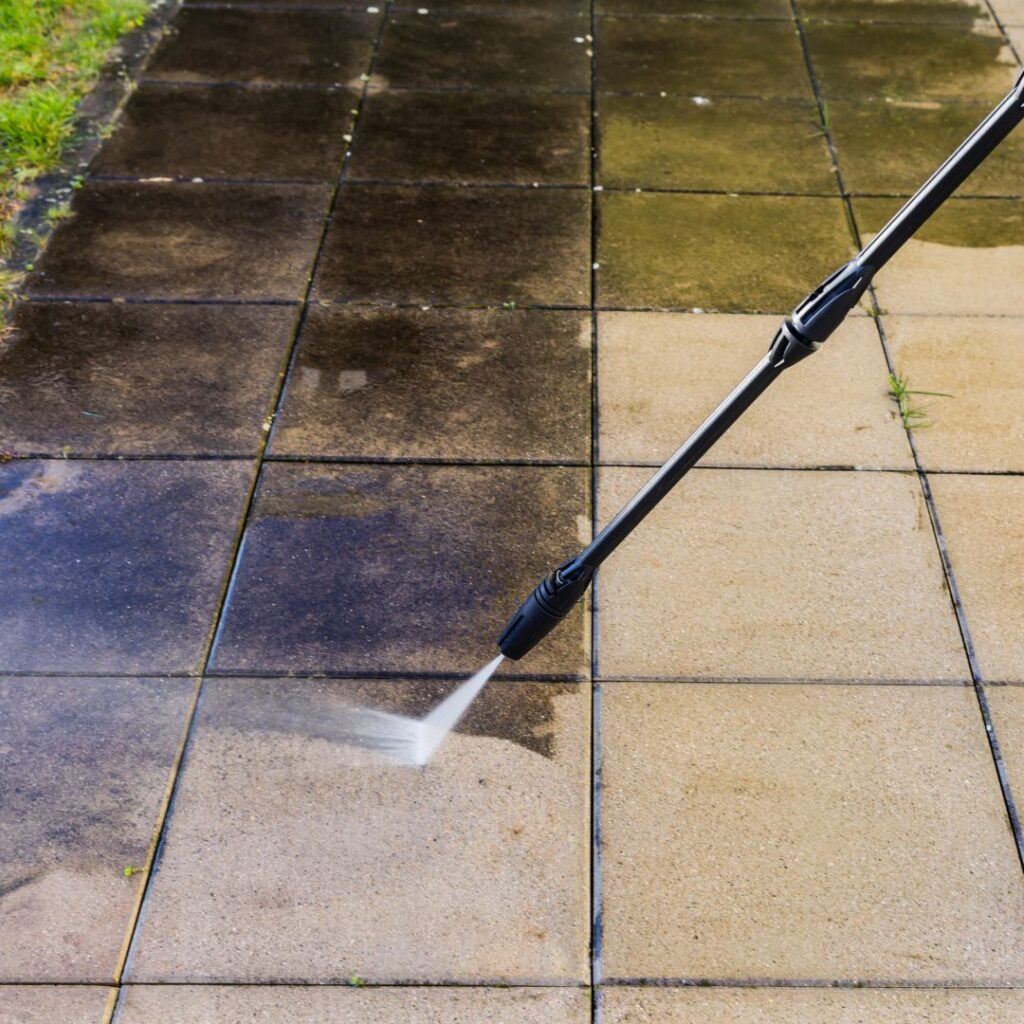
The arithmetic of how often to clean a hard surface works out rather differently from the way most people assume, and it is worth setting out properly. A surface cleaned every couple of years carries a mere two seasons of growth and a fairly modest amount of composted material sitting down in the joints. A pre-treatment left to dwell followed by a moderate pass covers it, the pressure required is low, and the visit is short. The very same surface left for eight years instead carries something quite different again. The joints by then hold genuine soil, weeds are rooted right through it, specific stains have soaked well in, and the mechanical stage then has to do considerably more of the work, at a higher pressure throughout. That visit is not four times the length of the short-interval one; it is nearer six or seven, and it takes rather more off the surface itself in the course of doing it. The compounding factor throughout is the material itself. Higher pressure applied to a surface that has been left removes more of it, and a surface with less left resists the next colonisation less well, so the interval shortens each time. Set against all of that, the annual biocide applied by a householder with an ordinary watering can costs almost nothing at all and prevents the great majority of it. The other consideration is the surface itself, since every pass removes a little material and a heavy pass removes considerably more. Four gentle visits across a decade take less off a surface in total than two aggressive ones, which is counterintuitive and worth knowing. The cheapest visit and the cheapest decade are rarely the same thing. Anyone in Botley booking pressure washing near me should price the decade rather than the single visit.
Are you based in Botley or the Surrounding Areas?
Patio & Driveway Cleaning Botley
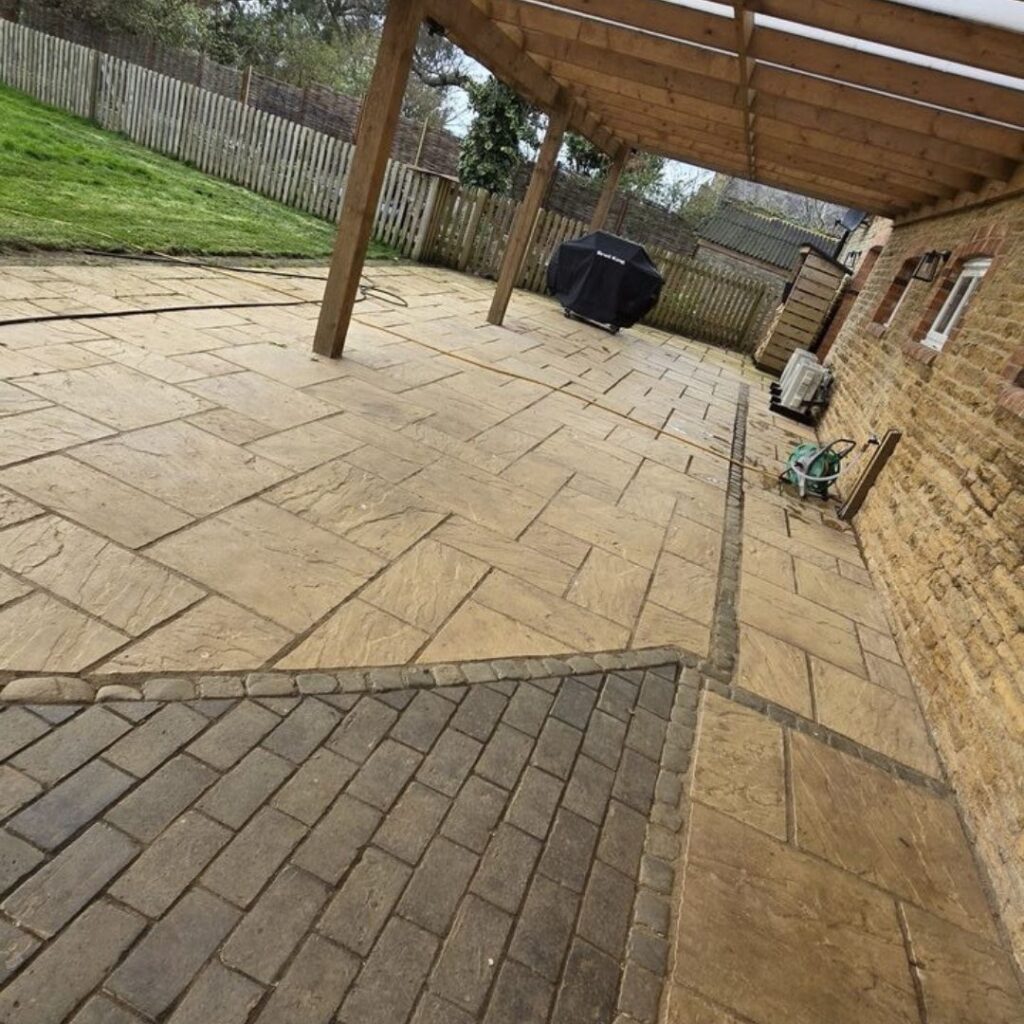
A driveway makes the frequency argument rather more clearly than anything else on a property, because the failure mode involved is structural rather than cosmetic. On a two-year cycle with proper re-sanding carried out at each visit, the joints stay full, the interlock is maintained, the sub-base stays dry and the pavement reaches its design life of twenty-five to thirty years or beyond. The annual cost is modest and predictable. On a purely reactive cycle, the sand is never reinstated, the joints deplete progressively, blocks begin moving under traffic, water reaches the laying course and the sub-base beneath it softens. Relaying then becomes necessary at perhaps fifteen years rather than at thirty, and the cost of doing that dwarfs an entire decade of ordinary maintenance. The interim habits change the picture again considerably. An annual biocide applied with a watering can, prompt sweeping each autumn and a sand top-up every couple of years together cost very little indeed and between them they can remove the need for any mechanical cleaning almost entirely, which is comfortably the cheapest outcome available to anybody. The drainage sits underneath the whole of it, since a fault there shortens every interval regardless of what else is done. And each visit on a short cycle needs considerably less pressure, which in turn preserves the blocks themselves. The comparison that settles it is not between two cleaning quotations at all, but between a decade of maintenance and the cost of lifting and relaying an area that has lost its interlock. Those two figures are not remotely close. Thirty years of service life set against fifteen is the figure that actually matters in the end. The blocks themselves will still be perfectly serviceable throughout. Homeowners in Botley booking driveway cleaning near me should count the cost across the whole life of the pavement.
Roof Cleaning Botley
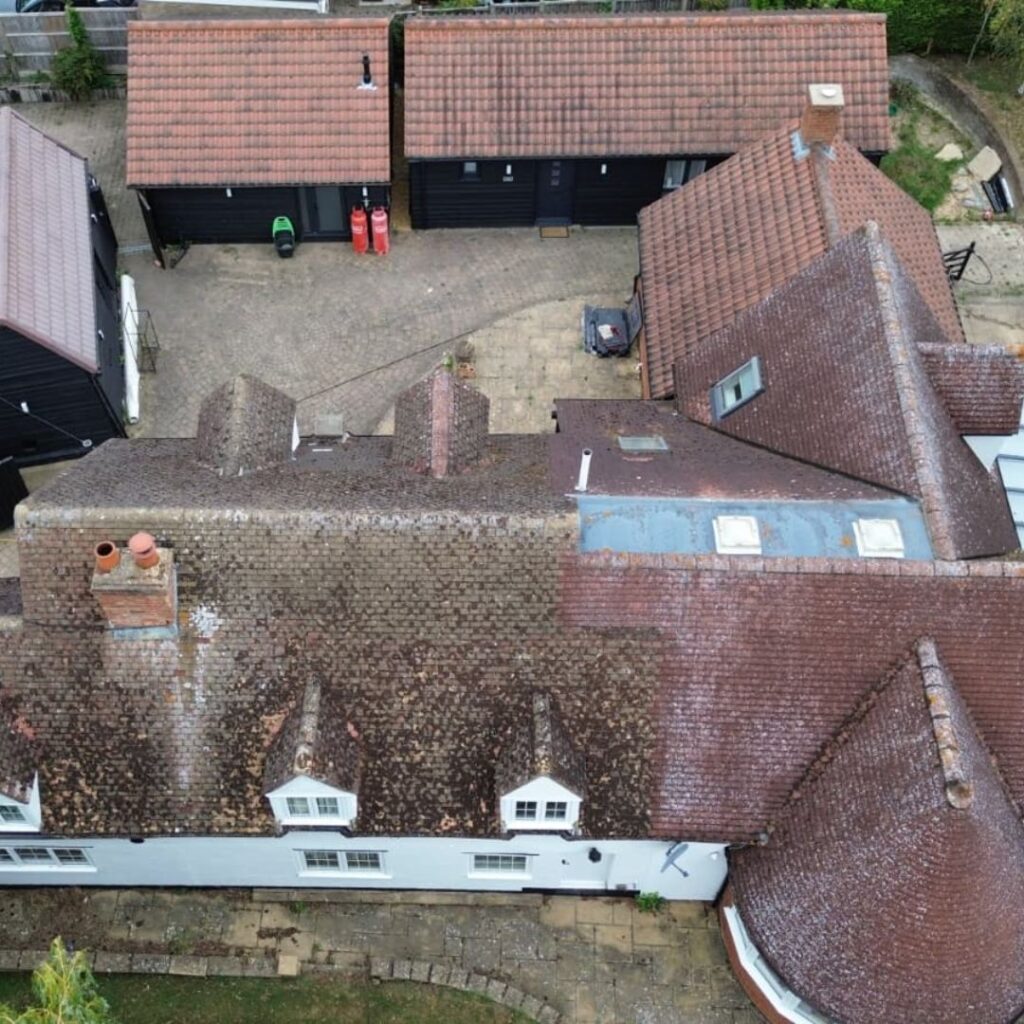
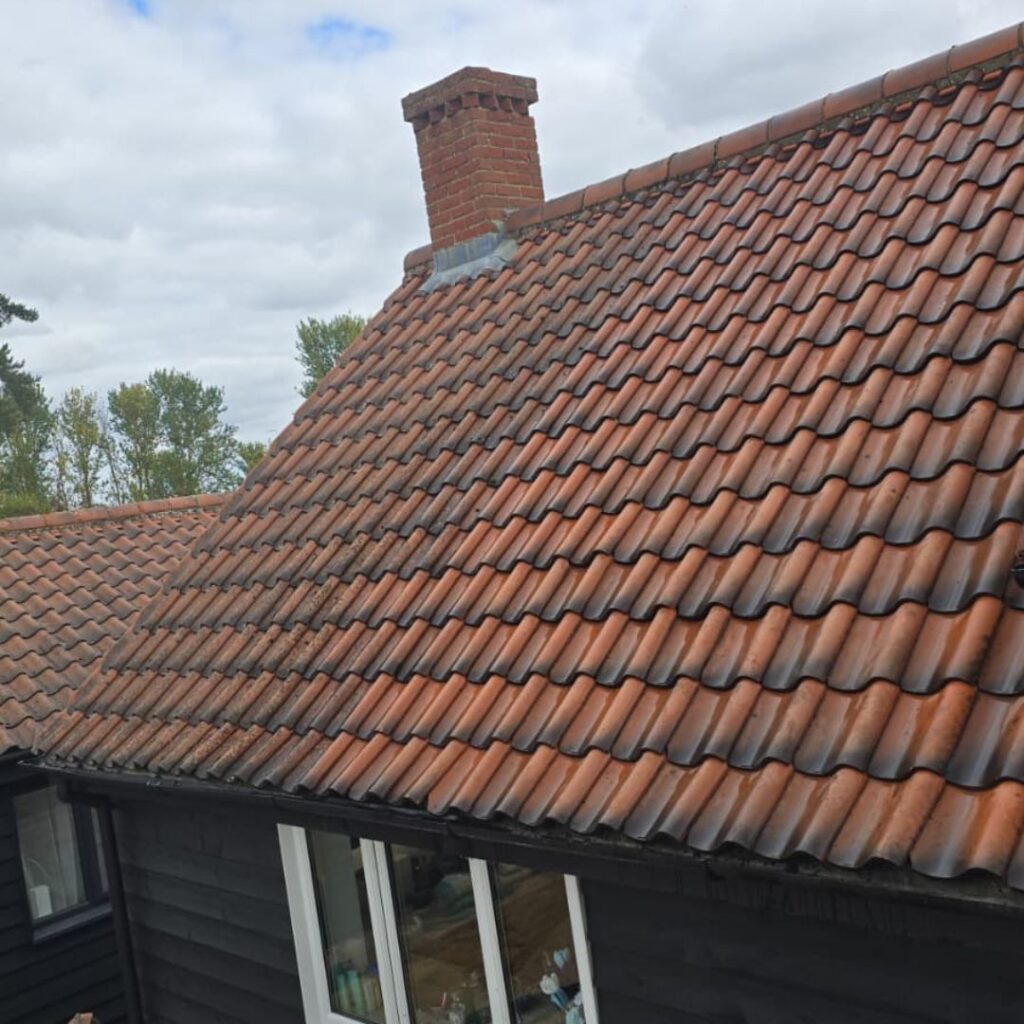
Roof treatment has much the most favourable frequency arithmetic on any property, and all of it depends entirely on the method being used. A covering treated properly with a biocide left in place to act stays clear for somewhere between five and ten years. The spore population is destroyed rather than displaced, regrowth is slow, and the next visit involves very little hand removal because there is very little growth to remove. Two treatments across a whole decade is an entirely realistic figure. A covering that has been jetted instead regreens within a couple of years, and each visit starts from a more porous, more eroded surface than the last. Five separate visits across that same decade is an entirely realistic figure, each one costing something broadly similar and each one taking a little more off the tiles. The maintenance required in between costs nothing at all. Keeping the gutters and valleys clear stops water backing up beneath the covering, and trimming any overhanging branches reduces both the shading and the organic debris arriving, and between them the two of them lengthen the interval further again. Against the whole of that sits the covering’s own service life, which sustained wetting shortens by years rather than months. So the long-interval method works out cheaper per visit over time and preserves the asset into the bargain. The comparison is worth making explicitly with any contractor, since a lower price per visit attached to a two-year interval is a considerably more expensive proposition than a higher price attached to an eight-year one, and the difference compounds. The price quoted per individual visit tells you almost nothing at all on its own. The method chosen determines which of those two figures applies. Anyone in Botley searching roof cleaning near me should compare two treatments in ten years against five.
Solar Panel Cleaning Botley
Solar cleaning is the one element on a property where the frequency arithmetic can be calculated precisely rather than merely estimated. The loss involved here is entirely continuous. An array carrying soiling gives away a percentage of everything it generates every single day, which means the cost of not cleaning accrues steadily rather than waiting to be paid later. That is the exact opposite of most maintenance, and it is what makes the whole calculation so straightforward. An annual visit keeps the soiling within the lower part of its range and recovers the difference reliably each year. On a system of any reasonable size the recovered generation exceeds the cost of the visit quite comfortably, and the calculation can be checked directly from the readings. A longer interval simply allows the losses to accumulate steadily. The residue band along the lower edge steadily consolidates, moss establishes itself in the frame channels and shades the limiting cells, and the array then spends progressively more of each year operating below what it ought to be producing. A shorter interval recovers a little more again and costs proportionately more to achieve, and the returns diminish steadily, which is precisely why twice yearly is justified where trees or persistent bird activity are involved and only rarely anywhere else. The one thing that genuinely changes the arithmetic is bird fouling, which is worth removing whenever it appears. The exercise is worth repeating annually rather than settling once, since the surroundings change as trees grow and bird activity establishes, and an interval that was right five years ago may no longer be. It is the only element anywhere on a property where doing that is genuinely possible at all. No assumption is required anywhere in the calculation. Owners in Botley should let the readings decide the interval each year.

Our Customers Say Everything there is to know about us
EXCELLENTTrustindex verifies that the original source of the review is Google. Fantastic service through out! Our roof looks brand new! Decided to also get the driveway done after seeing the results of first job and what a difference! All for a reasonable price as well. Definitely highly recommend 5*Posted on GoogleTrustindex verifies that the original source of the review is Google. Brendan of Stewart Exterior Cleaning was superb. He obviously knows a lot about looking after the exterior of a property and when he visited to clean our gutters, he clearly explained what was going on and gave excellent advice for the future. He was also friendly and enthusiastic, and gave us the sense he enjoys his work and taking care of his customers. He also mentioned some of his company's other services such as landscape gardening, which probably explains why he has so much expertise. But as it was winter and just before Christmas when he visited, it wasn't the right time for things for the garden, but we'd like to have him back in the spring, so he's probably got a customer for life now! Thanks so much, Brendan – it's very obvious why your business is thriving and we'll be back in touch in the future!Posted on GoogleTrustindex verifies that the original source of the review is Google. Brendan was very helpful and informative, he was quick and efficient in completing the job while answering any questions I had, I would definitely recommend his servicesPosted on GoogleTrustindex verifies that the original source of the review is Google. Returning customer of Stewart Exterior Cleaning. Brendan did a gutter clear for us recently and came back today to carry out a repair caused by high winds. Very friendly servicePosted on GoogleTrustindex verifies that the original source of the review is Google. Great service, roof looks newPosted on GoogleTrustindex verifies that the original source of the review is Google. Great service, couldn’t be happier with the end result. We initially had Brendan in to pressure wash and re-sand our driveway and after seeing the excellent job he did, we decided to have the roof and gutters cleaned as well. The transformation has completely refreshed our home and added fantastic curb appeal. Reliable, friendly, and great value for the service provided thanks again, Brendan!Posted on GoogleTrustindex verifies that the original source of the review is Google. Excellent job completed by Brendan. Was prompt and went above and beyond - given that there wasn’t a useable tap on sight! Also advised what do do after cleaning with regards to paving slabs. Would highly recommend, very excellent price and top notch service. Thank you BrendanPosted on GoogleTrustindex verifies that the original source of the review is Google. Excellent job done in a most friendly and efficient manner. Would highly recommend Brendan and his company to anybody looking to have their gutters cleared and fascia’s cleaned. Well done Stewart Exterior Cleaning.Posted on GoogleTrustindex verifies that the original source of the review is Google. I spotted Brendan working at neighbours property and asked him for a quote to pressure wash my pathway and patio. We agreed a price and the work was carried out a few days later. Brendon is hardworking, friendly and diligent and I’m very happy with the outcome and overall experience.Posted on GoogleTrustindex verifies that the original source of the review is Google. Fantastic service from Stewart Cleaning Ltd. Great work, tidy and very accommodating. Would definitely recommend and will definitely be using these guys again. Thank you! Noticed my dirty windows and even cleaned them despite it not being part of the booked job! Many many thanks.
Gutter Cleaning Botley
Guttering has much the starkest frequency arithmetic on any property, and the comparison between the two approaches is not a close one. A scheduled clearance costs a modest and entirely predictable sum once or twice a year. The deposits in the run never consolidate at all, the visit is short, the camera then confirms the runs are genuinely clear, and the findings from it identify anything developing well before it has become urgent. Taken across a decade, that amounts to a predictable and entirely unremarkable expense. A reactive approach simply waits for a symptom to appear, and that symptom is usually damage of some kind. By the time water is visibly spilling over, staining a wall or showing as damp indoors, the deposit has already set hard, the run may well have deflected under its own weight, and the fascia board behind it has been wet for months or even years. The clearance itself costs more, and it invariably arrives alongside a set of repairs as well. Those consequent repairs are what settle the argument entirely. A fascia and soffit run replaced, masonry treated for saturation and internal redecoration afterwards between them cost many multiples of an entire decade of clearances. And a deflected run, once that has happened at all, needs re-hanging rather than clearing, which is a further cost the schedule would have avoided. And the interim habit that costs nothing is watching during heavy rain once or twice a year, which catches a developing problem long before any of the expensive consequences arrive. The comparison between the two is not a close one on any property at all. The gutter itself is much the cheapest part of the whole assembly. Householders in Botley should set the arithmetic against a rotten fascia rather than against a tidy gutter.

Render Cleaning Botley
Render frequency works rather differently from the rest of a property, because the intervals involved are long and the consequences of stretching them are cumulative. A wall treated every three to five years carries only a light green cast by the time the next visit comes round. A gentle dilution clears the whole of it within a fortnight, nothing anchors down into the surface, no shadow remains and the finish is entirely undisturbed. The very same wall left for a decade instead carries lichen anchored down into the pore structure and, on a sheltered elevation, a genuine mat rather than a film. The treatment then needs a stronger mix and a considerably longer dwell, the clearing itself takes six weeks or more, and a faint shadow may well remain permanently in the places where the lichen had etched into the surface. That amounts to a worse result achieved for rather more money. Left longer still than that, the finish itself begins to suffer, since a wall held permanently damp eventually crazes and then debonds, and repair work then enters the picture at a cost that dwarfs any amount of treatment. The interim habits extend the interval at no cost whatever: sound guttering, planting cut back and any water path corrected. And a protective treatment applied to the genuinely difficult elevation stretches it further again. Which means the useful question to put to a contractor is not what the treatment costs but how long it should hold, and what would make the difference between three years and six on this particular elevation. That is a rather different conversation from one about the price per elevation. A treatment that holds for six years is worth two that hold for three. Anyone in Botley comparing render cleaning near me should treat the interval as the thing actually being bought.